Posts by chadwick.chinnery
Register for the next BECS Webinar
The OCB Benthic Ecosystem & Carbon Synthesis (BECS) are hosting a webinar! WHEN November 28, 2023, 10:00-11:00 AM EST SPEAKERS Chris Somes (GEOMAR) – The impact of reductive sedimentary iron…
Read MoreRegistration is open: Pathways Connecting Climate Changes to the Deep Ocean Workshop
Pathways Connecting Climate Changes to the Deep Ocean: Tracing physical, biogeochemical, and ecological signals from the surface to the deep sea (OCB/US CLIVAR joint workshop) April 23-25, 2024 (University of…
Read MoreInternational FAIR Data Workshop POSTPONED
International Workshop: FAIR Data Practices for Ship-based Ocean Time Series DATES POSTPONED OVERVIEW: Sustained ocean time series measurements are fundamental to distinguish between natural and human-induced variability in ecosystems and…
Read MoreGet Involved with BECS – Benthic Ecosystem & Carbon Synthesis
Get Involved in OCB Benthic Ecosystem & Carbon Synthesis! The OCB Benthic Ecosystem and Carbon Synthesis (BECS) Working Group is aimed at understanding the carbon cycle and ecosystems within the…
Read MoreMarChemSpec – tutorial and resources
These easy-to-use models are for the calculation of: • Acid-base equilibria, seawater state parameters, and CaCO3 saturation in natural waters containing the ions of seawater • Inorganic complexation of trace…
Read MoreA suite of CO2 removal approaches modeled for the 1.5 ˚C future
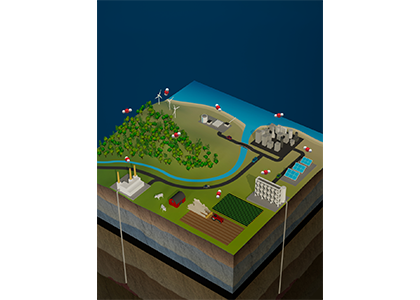
Carbon dioxide removal (CDR) is “unavoidable” in efforts to limit end-of-century warming to below 1.5 °C. This is because some greenhouse gas emissions sources—non-CO2 from agriculture, and CO2 from shipping, aviation,…
Read MoreInsights into Lagrangian phytoplankton variability from profiling floats
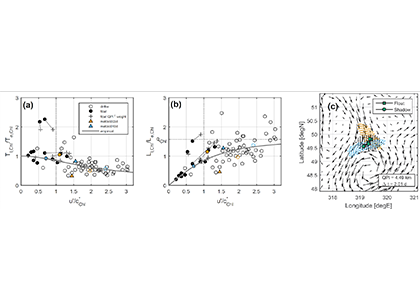
Phytoplankton are small, drifting photosynthetic organisms that form the base of marine food webs and play an important role in carbon and nutrient cycling. Analyses of how they vary in…
Read MoreNet primary production from daily cycles of biomass using Argo floats
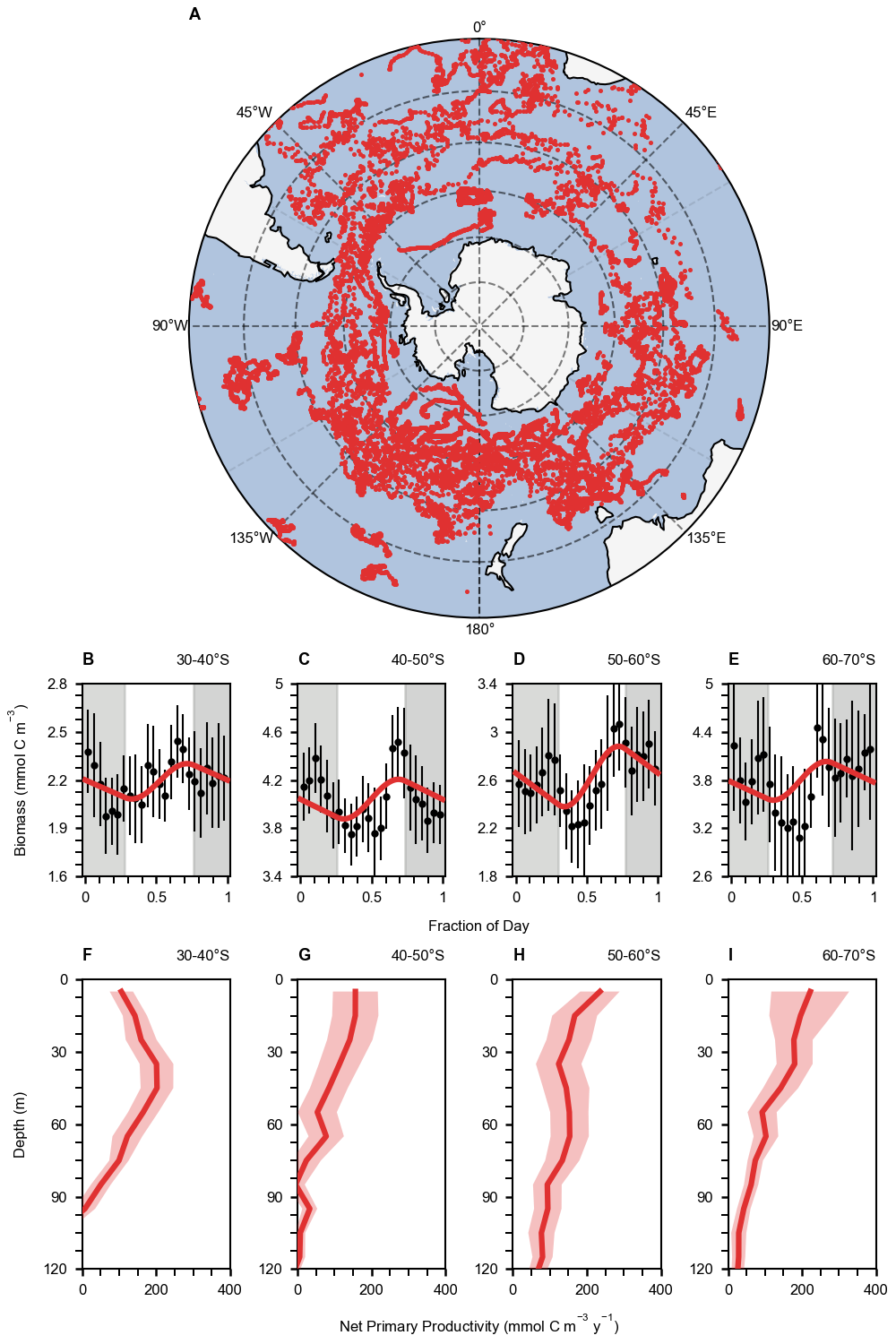
Net primary productivity is a central metric in ocean biogeochemistry that is costly and time-consuming to estimate using traditional water sampling methods. As a result, it is difficult to detect…
Read MoreIdentifying the water mass composition of a sample has never been so easy!
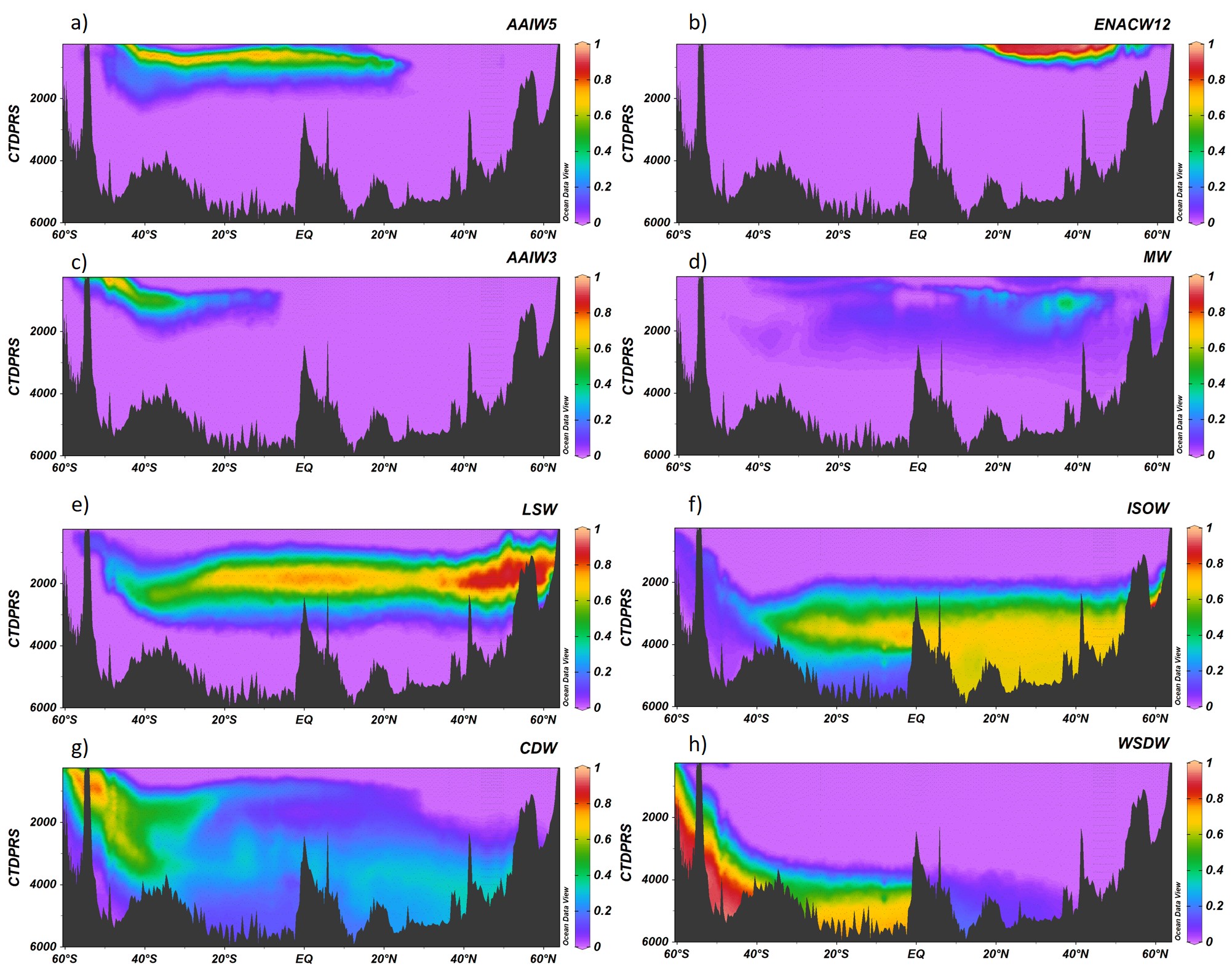
When we collect seawater in any point of the ocean, we are collecting a mix of water masses from different origin that traveled until there keeping their salinity and temperature…
Read MoreRPiAlk: Balancing Measurement Uncertainty and Accessibility
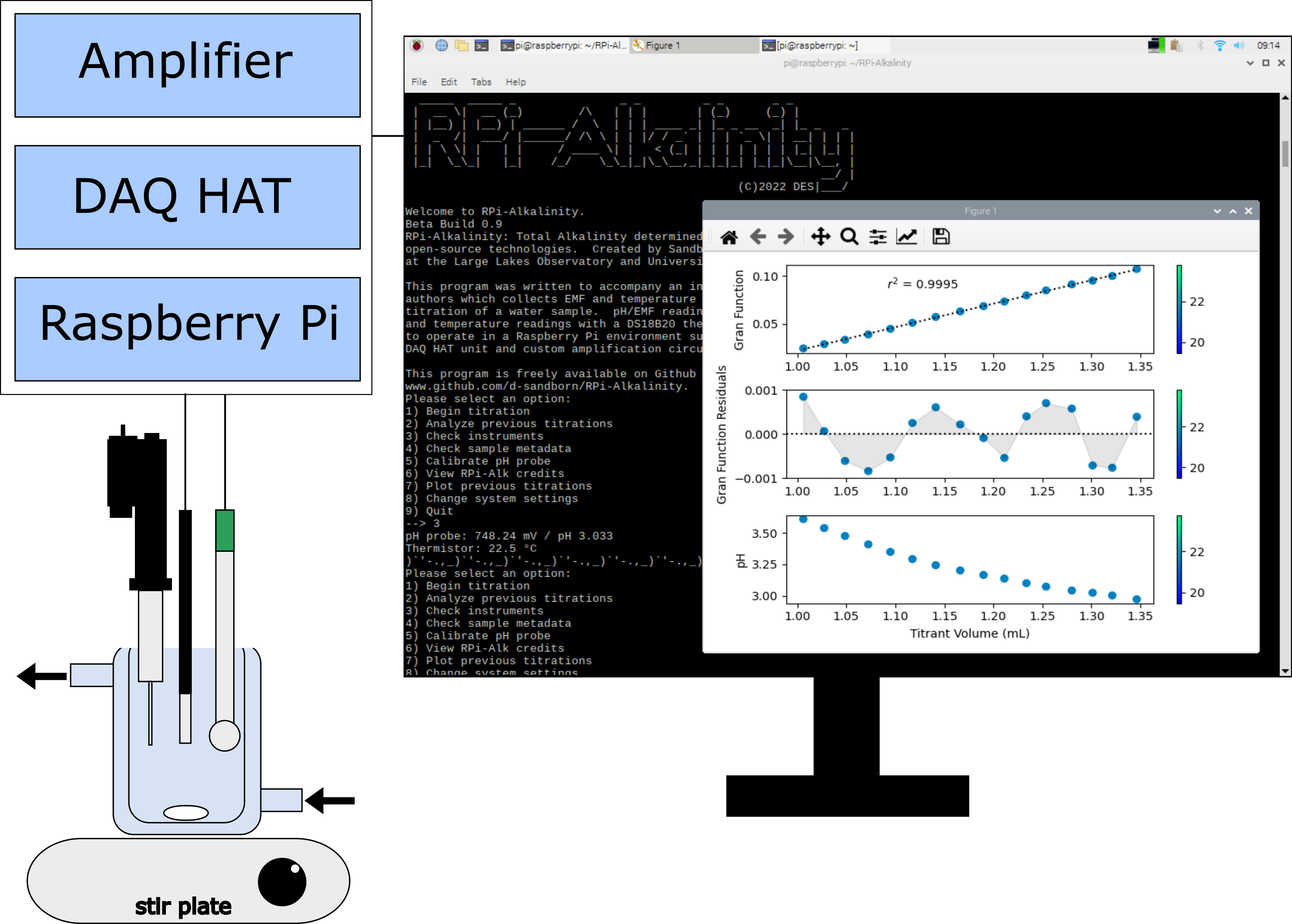
High-accuracy measurement of total alkalinity (TA) is crucial for our understanding of ocean acidification and the inorganic carbon complex. It is also particularly expensive in terms of labor and resources.…
Read More