Posts by chadwick.chinnery
Is it a shift of the surface ecosystem toward small cells in the eastern North Pacific subtropical gyre?
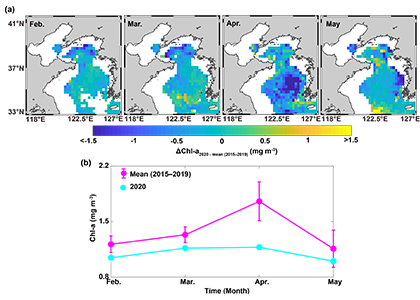
The eastern North Pacific subtropical gyre (NPSG) ecosystem contains a large proportion of the ocean surface, resulting in a significant impact on the global ocean primary production and export production.…
Read MoreHow does the competition between phytoplankton and bacteria for iron alter ocean biogeochemical cycles?
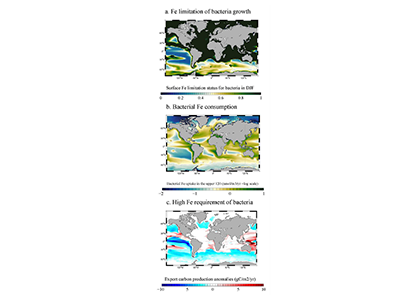
Free-living bacteria play a key role in cycling essential biogeochemical resources in the ocean, including iron, via their uptake, transformation, and release of organic matter throughout the water column. Bacteria…
Read MoreCarbon fluxes in the coastal ocean: Synthesis, boundary processes and future trends
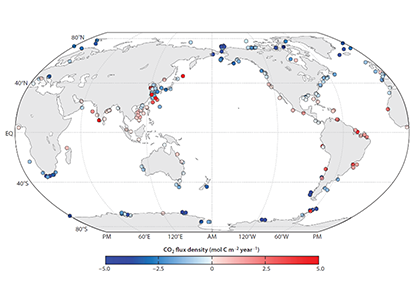
A vital part of mitigating climate change is the coastal and open ocean carbon sink, without this, it is not possible to meet the target set by the Paris Agreement.…
Read MoreThe most important 234Th disequilibrium compilation you ever saw
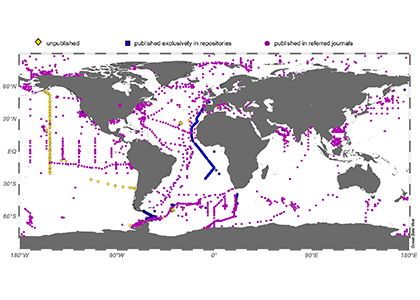
Thorium-234 (234Th), a naturally radioactive element present in nature, is one of the most actively used tracers in oceanography. 234Th is widely used to study the removal rate of material…
Read MoreChemical thermodynamic models of artificial seawater and the Tris buffers used to define the ‘total’ pH scale
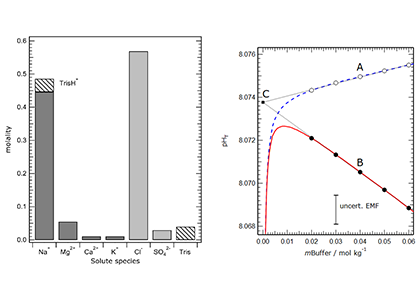
The total pH scale used by oceanographers (for salinities 20 – 40, and temperatures 0 to 45°C) is calibrated from a combination of electromotive force measurements of artificial seawaters containing…
Read MoreA new ocean state after a nuclear war
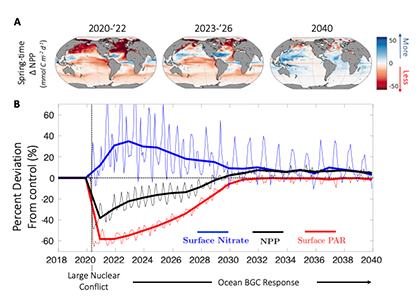
Russia’s invasion of Ukraine brings the threat of nuclear warfare to the forefront. But how would modern nuclear detonations impact the world today? If used accidentally or intentionally, nuclear arsenals would…
Read MoreUSCCSP-NACP CDR Workshop August 1, 2, 4 – sign up!
The US Carbon Cycle Science Program and the North American Carbon Program are in the midst of planning a workshop on research opportunities, partnerships and investments of Carbon Dioxide Removal…
Read MorePowerful new tools for working with Argo data
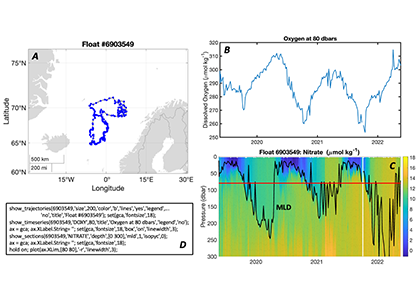
No single program has been as transformative for ocean science over the past two decades as Argo: the fleet of robotic instruments that collect measurements of temperature and salinity in…
Read MoreWhat can algae tell us about translating laboratory science to nature?
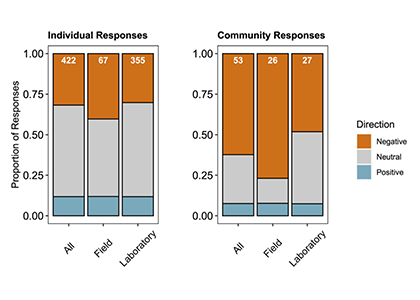
Ocean acidification research has grown over the past few decades. Much of recent research documents negative impacts of changing carbonate chemistry on calcifying marine organisms in laboratory experiments. At the…
Read MoreWhat drives decadal changes in the Chesapeake Bay carbonate system?
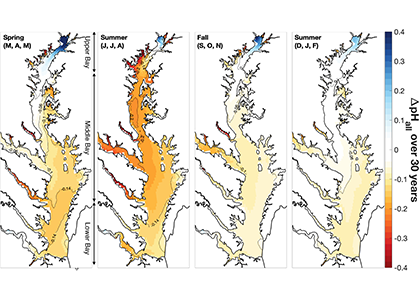
Understanding decadal changes in the coastal carbonate system (CO2-system) is essential for predicting how the health of these waters is affected by anthropogenic drivers, such as changing atmospheric conditions and…
Read More