Posts by chadwick.chinnery
Introducing the Coastal Ocean Data Analysis Product in North America (CODAP-NA)
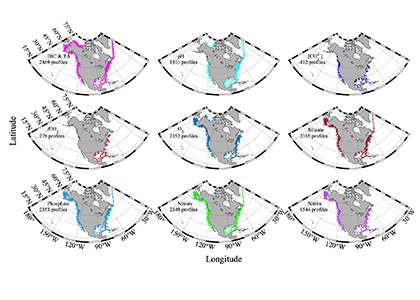
Coastal ecosystems are hotspots for commercial and recreational fisheries, and aquaculture industries that are susceptible to change or economic loss due to ocean acidification. These coastal ecosystems support about 90%…
Read MoreContrasting N2O fluxes of source vs. sink in western Arctic Ocean during summer 2017
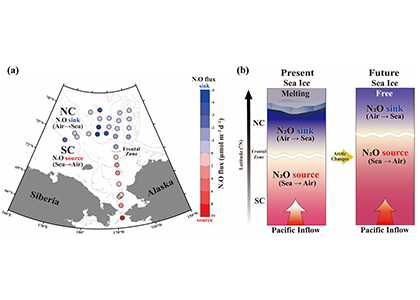
During the western Arctic summer season both physical and biogeochemical features differ with latitude between the Bering Strait and Chukchi Borderland. The southern region (Bering Strait to the Chukchi Shelf)…
Read MoreThe ephemeral and elusive COVID blip in ocean carbon
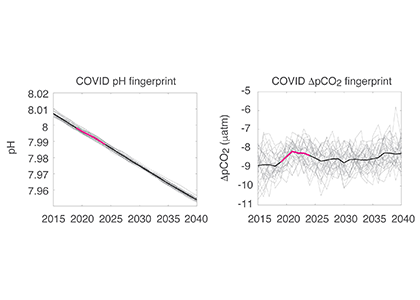
The global pandemic of the last nearly two years has affected all of us on a daily and long-term basis. Our planet is not exempt from these impacts. Can we…
Read MorepH: the secrets that you keep
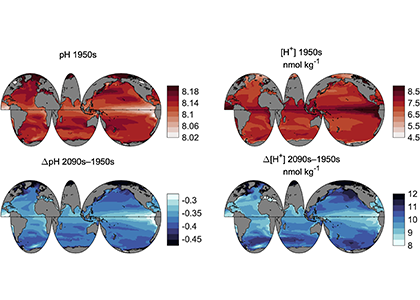
The Intergovernmental Panel on Climate Change (IPCC) defines ocean acidification as “a reduction in pH of the ocean over an extended period, typically decades or longer, caused primarily by the uptake…
Read MoreExploiting phytoplankton as a biosensor for nutrient limitation
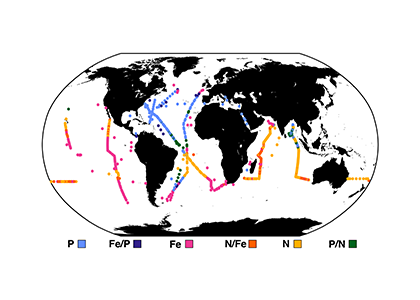
In the surface ocean, phytoplankton growth is often limited by a scarcity of key nutrients such as nitrogen, phosphorus, and iron. While this is important, there are methodological and conceptual…
Read MoreHow atmospheric and oceanographic forcing impact the carbon sequestration in an ultra-oligotrophic marine system
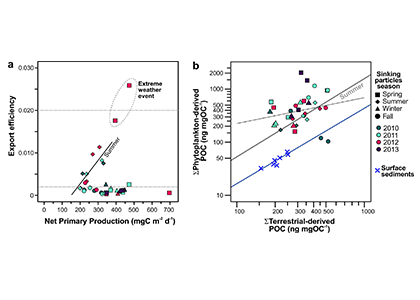
Sinking particles are a critical conduit for the export of material from the surface to the deep ocean. Despite their importance in oceanic carbon cycling, little is known about the…
Read MoreA new proxy for ocean iron bioavailability
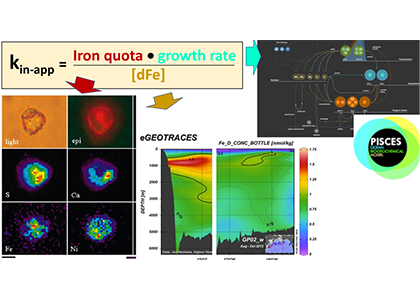
In many oceanic regions, iron exerts strong control on phytoplankton growth, ecosystem structure and carbon cycling. Yet, iron bioavailability and uptake rates by phytoplankton in the ocean are poorly constrained.…
Read MoreUsing BGC-Argo to obtain depth-resolved net primary production
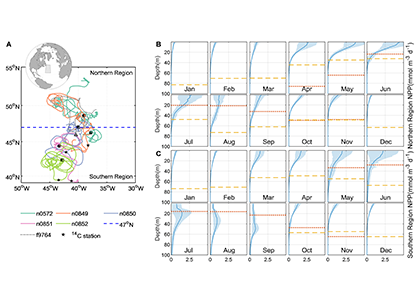
Net primary production (NPP)—the organic carbon produced by the phytoplankton minus the organic carbon respired by phytoplankton themselves—serves as a major energy source of the marine ecosystem. Traditional methods for…
Read MoreWill temperate kelp forests persist?
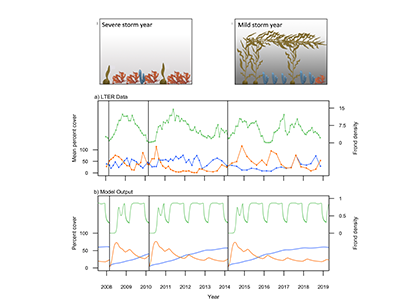
Giant kelp is a highly productive foundation species that forms dense forests on temperate reefs around the world. These ecosystems have remarkably high rates of carbon fixation—giant kelp can grow…
Read MoreHydrogeology modulates carbon outwelling from tidal wetlands
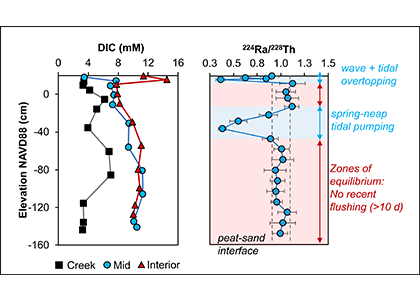
Tidal wetlands are highly productive ecosystems that have the potential to sequester and bury vast quantities of atmospheric carbon dioxide, making them effective blue carbon habitats. There is emerging evidence…
Read More