Posts by chadwick.chinnery
Tiny phytoplankton seen from space
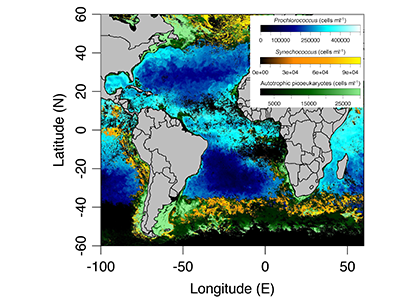
Picophytoplankton, the smallest phytoplankton on Earth, are dominant in over half of the global surface ocean, growing in low-nutrient “ocean deserts” where diatoms and other large phytoplankton have difficult to…
Read MoreA new Regional Earth System Model of the Mediterranean Sea biogeochemical dynamics
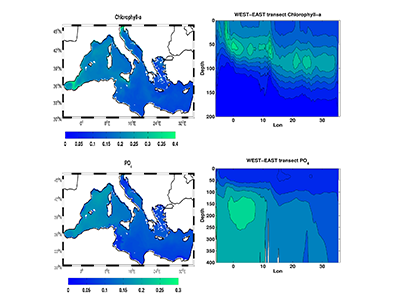
The Mediterranean Sea is a semi-enclosed mid-latitude oligotrophic basin with a lower net primary production than the global ocean. A west-east productivity trophic gradient results from the superposition of biogeochemical…
Read MoreWarming counteracts acidification in temperate crustose coralline algae communities
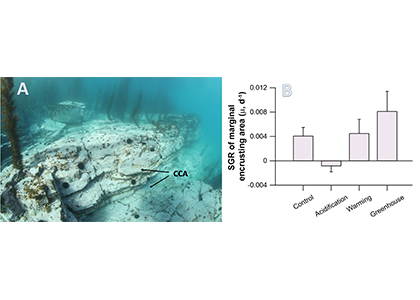
Seawater carbonate chemistry has been altered by dramatic increases in anthropogenic CO2 release and global temperatures, leading to significant changes in rocky shore habitats and the metabolism of most marine…
Read MoreTiming matters: Correcting float-based measurements of diurnal oxygen variability
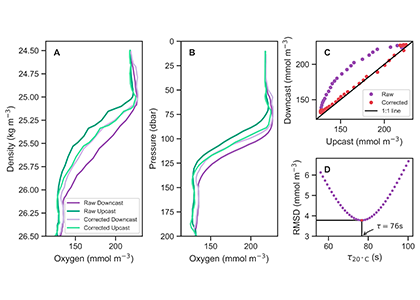
Despite its fundamental importance to the global carbon cycle, climate, and marine ecosystems, oceanic primary production is grossly under-sampled. Autonomous platforms represent an important frontier for expanding measurements of marine…
Read MoreImplementation of the Global Ocean Biogeochemistry (GO-BGC) Array: Request for Community Engagement
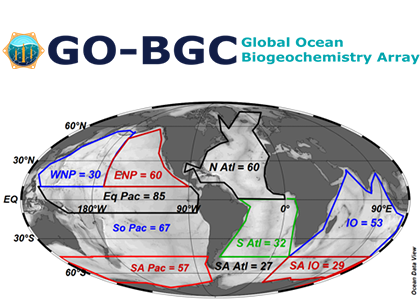
GO-BGC Executive Team* On October 29, 2020 the National Science Foundation (NSF) approved a $53 million Mid-Scale Research Infrastructure (MSRI) grant to implement the Global Ocean Biogeochemistry (GO-BGC) Array –…
Read MoreAustral summer vertical migration patterns in Antarctic zooplankton
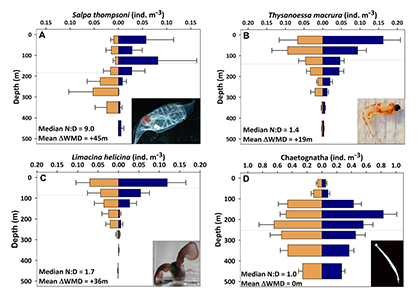
Sunrise and sunset are the main cues driving zooplankton diel vertical migration (DVM) throughout the world’s oceans. These marine animals balance the trade-off between feeding in surface waters at night…
Read MoreMarine heatwave implications for future phytoplankton blooms
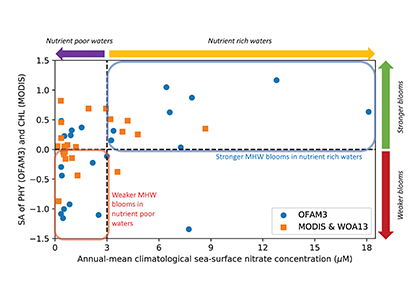
Ocean temperature extreme events such as marine heatwaves are expected to intensify in coming decades due to anthropogenic warming. Although the effects of marine heatwaves on large plants and animals…
Read MoreChesapeake Bay acidification partially offset by submerged aquatic vegetation
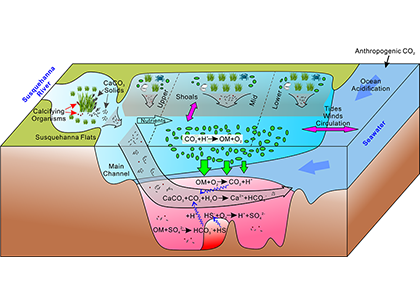
Ocean acidification is often enhanced by eutrophication and subsequent hypoxia and anoxia in coastal waters, which collectively threaten marine organisms and ecosystems. Acidification is particularly of concern for organisms that…
Read MoreWill global change “stress out” ocean DOC cycling?
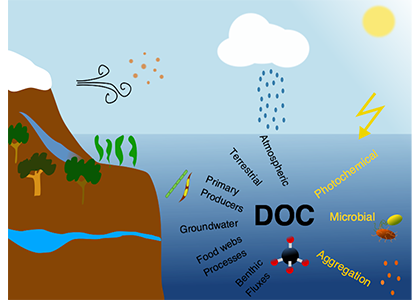
The dissolved organic carbon (DOC) pool is vital for the functioning of marine ecosystems. DOC fuels marine food webs and is a cornerstone of the earth’s carbon cycle. As one…
Read MoreSea ice loss and the changing Arctic carbon cycle
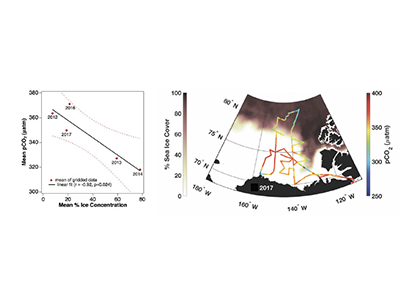
Loss of Arctic Ocean ice cover is altering the carbon cycle in ways that are not well understood. Effectively “popping the top off” the Arctic Ocean, ice loss exposes the…
Read More