OCB Science Highlights
If you would like to have your recent publications featured on the OCB website and eNewsletter please contact ocb_news@whoi.edu. View our guidelines for writing a OCB Science Highlight.
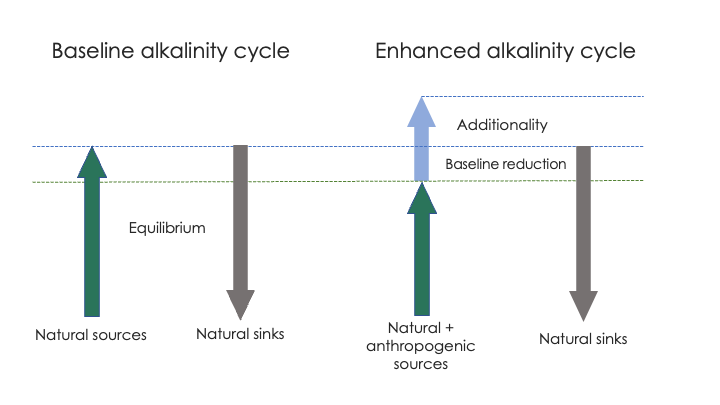
The ultimate goal of marine carbon dioxide (CO2) removal (mCDR) is to sequester more atmospheric CO2 in the ocean than the ocean already does today. As such, any mCDR deployment…
Read More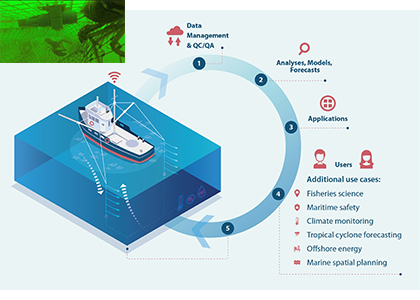
With an increasingly wide variety of technology and innovations, from buoys to satellites, we now understand the open ocea n better than ever. Yet, existing technologies cannot cost-effectively provide accurate, up-to-date…
Read More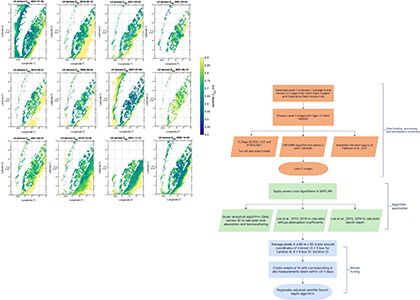
To maintain marine ecosystem health and human well-being, it is important to understand coastal water quality changes. Water clarity is a key component of water quality, which can be measured…
Read More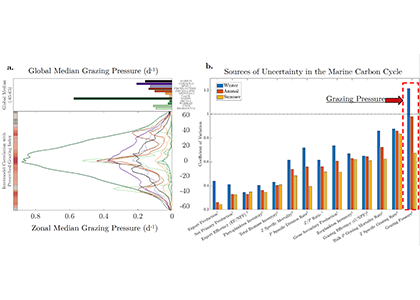
The ocean is the most important sink of anthropogenic emissions and is being considered as a medium to manipulate to draw down even more. Essential in the ocean’s role as…
Read More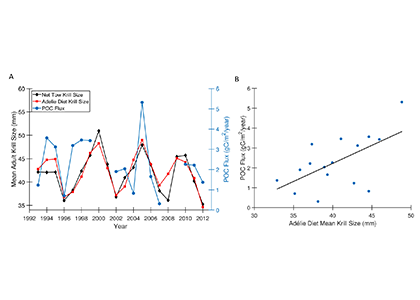
Despite the importance of particulate organic carbon (POC) export on carbon sequestration and marine ecology, there have been few multi-decade studies in the world’s oceans. A new analysis published in…
Read More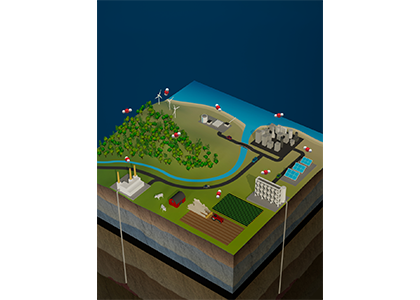
Carbon dioxide removal (CDR) is “unavoidable” in efforts to limit end-of-century warming to below 1.5 °C. This is because some greenhouse gas emissions sources—non-CO2 from agriculture, and CO2 from shipping, aviation,…
Read More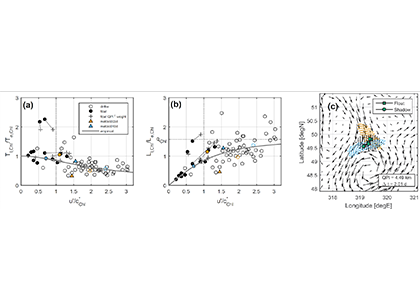
Phytoplankton are small, drifting photosynthetic organisms that form the base of marine food webs and play an important role in carbon and nutrient cycling. Analyses of how they vary in…
Read More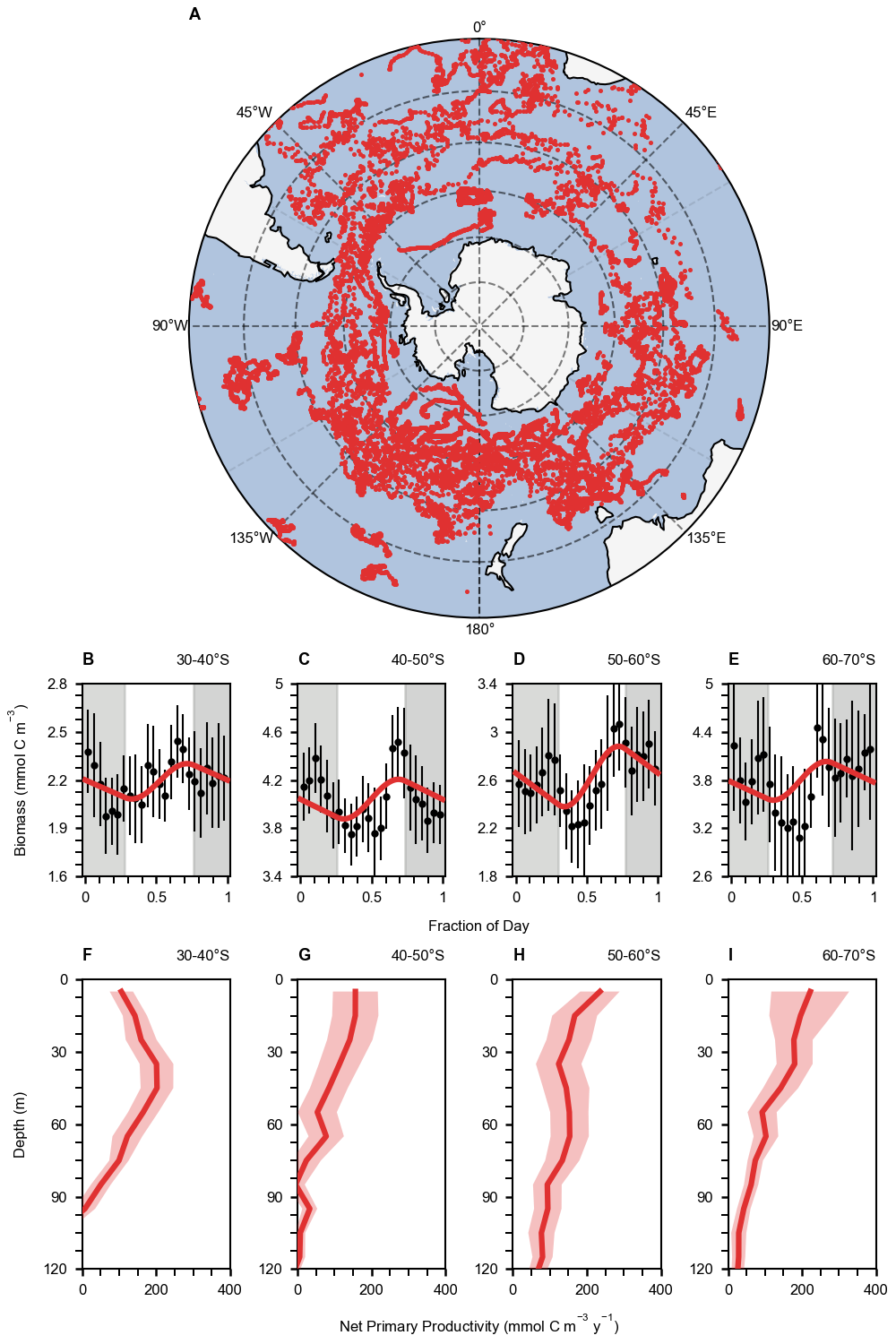
Net primary productivity is a central metric in ocean biogeochemistry that is costly and time-consuming to estimate using traditional water sampling methods. As a result, it is difficult to detect…
Read More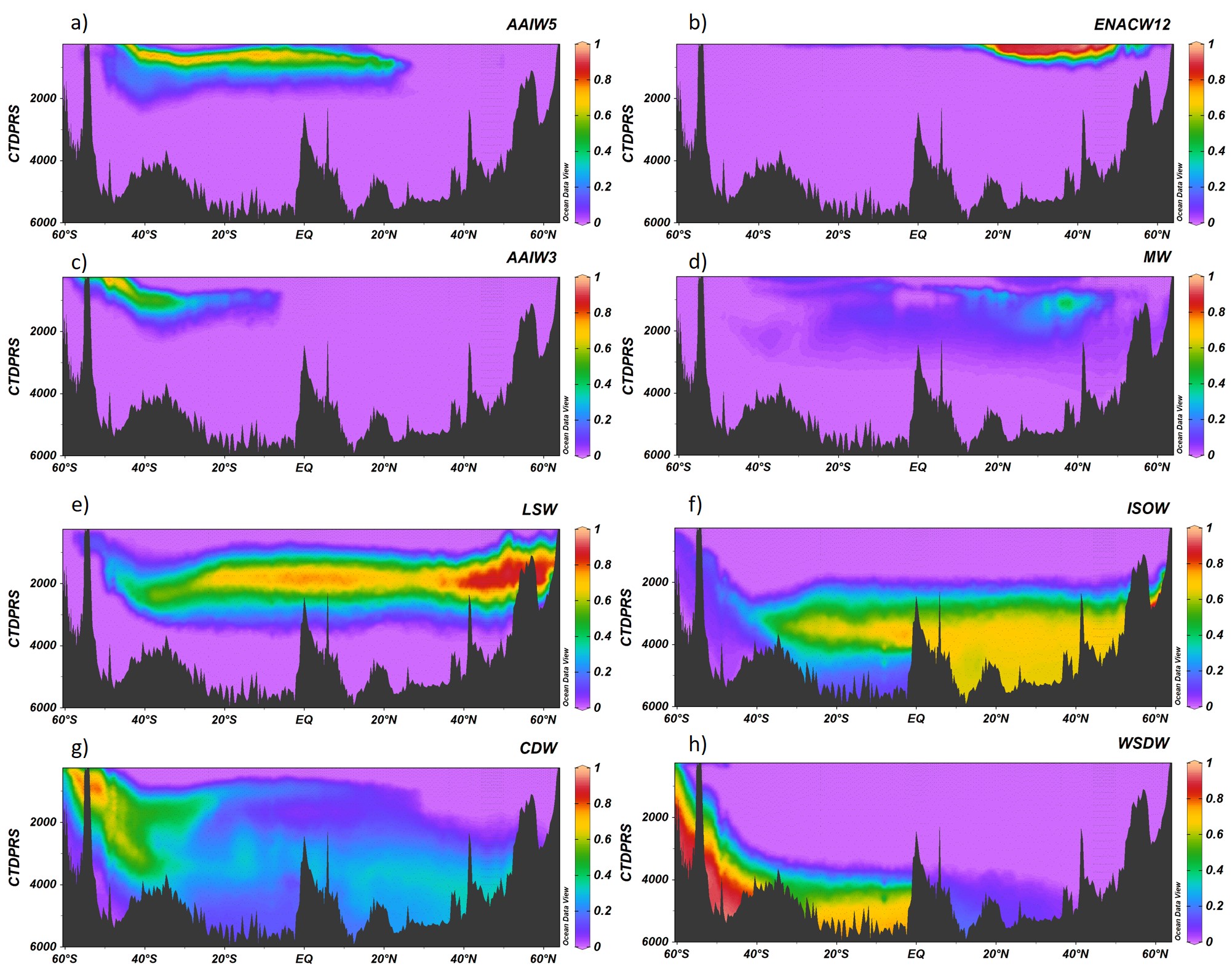
When we collect seawater in any point of the ocean, we are collecting a mix of water masses from different origin that traveled until there keeping their salinity and temperature…
Read More