OCB Science Highlights
If you would like to have your recent publications featured on the OCB website and eNewsletter please contact ocb_news@whoi.edu. View our guidelines for writing a OCB Science Highlight.
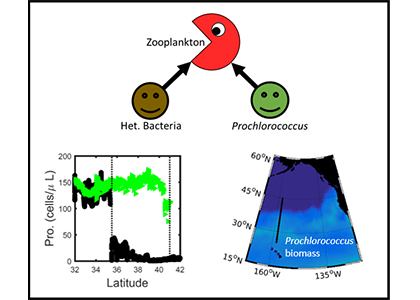
Prochlorococcus is the world’s smallest phytoplankton (microscopic plant-like organisms) and the most numerous, with more than ten septillion individuals. This tiny plankton lives ubiquitously in warm, blue, tropical waters but is…
Read More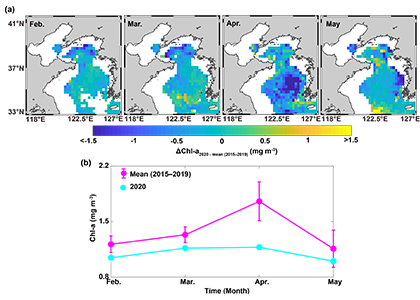
Recently, it was reported that the coronavirus (COVID-19) pandemic-related lockdowns have led to a reduction in anthropogenic emissions of pollutant nitrogen on a global scale. This reduction may have induced…
Read More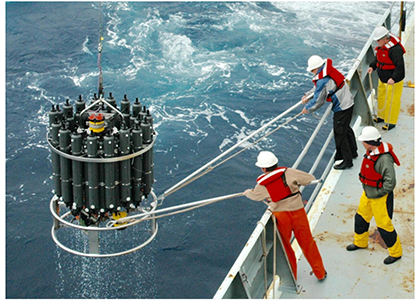
Effective data management is paramount in oceanographic research. The ocean is a global system, and research to understand regional and global oceanographic processes often involves compiling cruise-based data from different…
Read More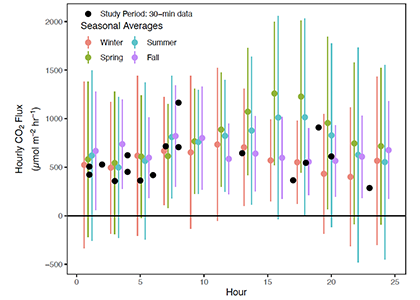
Coastal management actions aimed at protecting or restoring seagrass meadows are often assumed to have the collateral benefit of removing large amounts of carbon dioxide from the atmosphere to combat climate change. Be aware, however: not…
Read More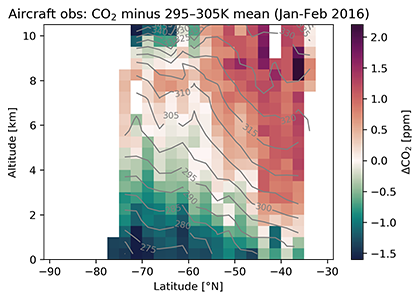
The Southern Ocean is indeed a significant carbon sink—absorbing a large amount of the excess carbon dioxide emitted into the atmosphere by human activities—according to a newly published study led…
Read More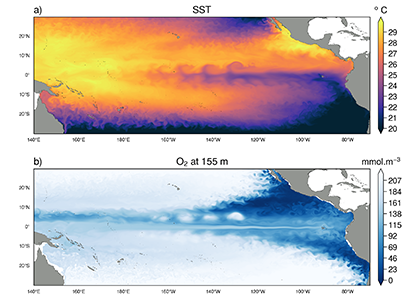
As the ocean warms, the future of the tropical Pacific Oxygen Minimum Zones (OMZs) remains highly uncertain, in part due to incomplete understanding of processes and poor model representation of how mesoscale circulation impacts…
Read More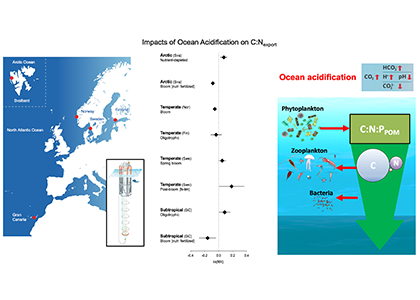
Marine food webs and biogeochemical cycles react sensitively to increases in carbon dioxide (CO2) and associated ocean acidification, but the effects are far more complex than previously thought. A comprehensive…
Read More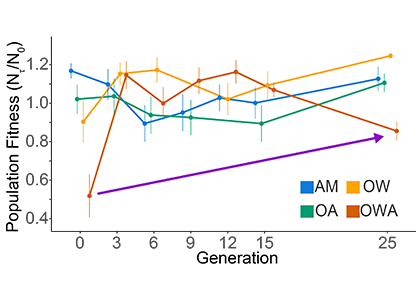
A key issue facing ocean global change scientists is predicting the fate of biota under the combined effects of ocean warming and acidification (OWA). In addition to the constraints of…
Read More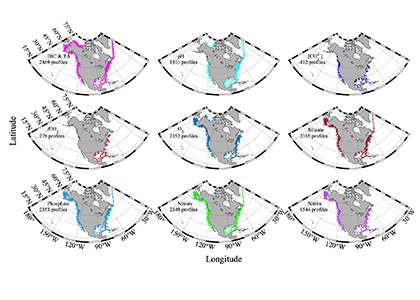
Coastal ecosystems are hotspots for commercial and recreational fisheries, and aquaculture industries that are susceptible to change or economic loss due to ocean acidification. These coastal ecosystems support about 90%…
Read More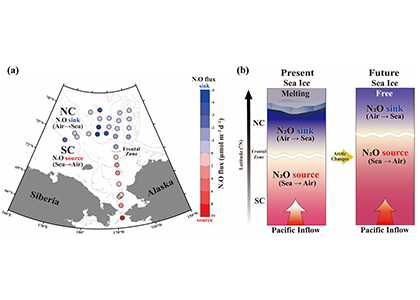
During the western Arctic summer season both physical and biogeochemical features differ with latitude between the Bering Strait and Chukchi Borderland. The southern region (Bering Strait to the Chukchi Shelf)…
Read More