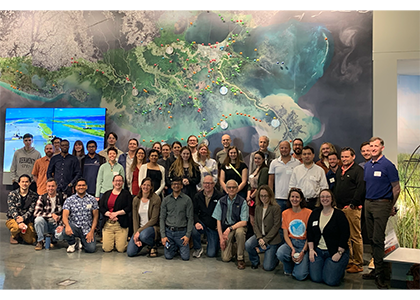
The Leaky Deltas OCB workshop was held 17-20 March 2025 at Louisiana State University, in Baton Rouge, USA, which is situated within the Mississippi River delta. We brought together 57 members of the research community who study river deltas in the context of the global carbon cycle. The goal of the workshop was to create a community consensus on the state of delta carbon cycle science, identify critical knowledge gaps, and brainstorm opportunities and priorities for future research efforts. Participants ranged in career stage from graduate student to senior scientist, and from disciplines ranging from biogeochemistry to geomorphology, river scientists to oceanographers; and scientists using a variety of methodological approaches.
The workshop included five oral sessions, four breakout sessions, numerous opportunities for discussion over meals and coffee breaks, a trip to the LSU Center for River Studies, and a workshop dinner. The breakout sessions were formatted to encourage discussion among interdisciplinary groups of scientists at different career stages. During breakout session 1, participants were randomly assigned to groups that spanned career stages and expertise. This session was aimed at identifying grand challenges in delta carbon cycle science. Breakout session 2 had a disciplinary focus, where we broke out into groups of biogeochemistry, geomorphology, modeling, and ecosystems. Breakout session 3 was broken out into groups based on physical domains of the delta: river, wetlands, subaqueous delta, shelf, and continental slope. A highlight of day three was a field trip to the LSU Center for River Studies, where workshop participants were guided on a tour of the historical changes of the Mississippi River Delta, as well as the large-scale physical model of the delta. On the fourth and final day of the workshop, we had short break-out sessions and reconvened as a whole to synthesize ideas and circle back to the workshop objectives.
In summary, the workshop resulted in a consensus on the key knowledge gaps and research grand challenges, which included constraining the composition of organic matter, the timescales of geomorphic processes, biogeochemical reaction rates, impacts of human perturbations and extreme events, and challenges in monitoring deltaic processes. Workshop participants now have the task of writing a position paper that summarizes these grand research challenges, identifies the data needed to address these challenges, and recommends a framework and directions for future research. One outcome of the workshop included the structure and organization for this paper. The early career workshop participants will also lead an early-career-led perspective paper that discusses ideas for integrating new technologies and methodologies to address these grand challenges and identifies future challenges for the delta science community.

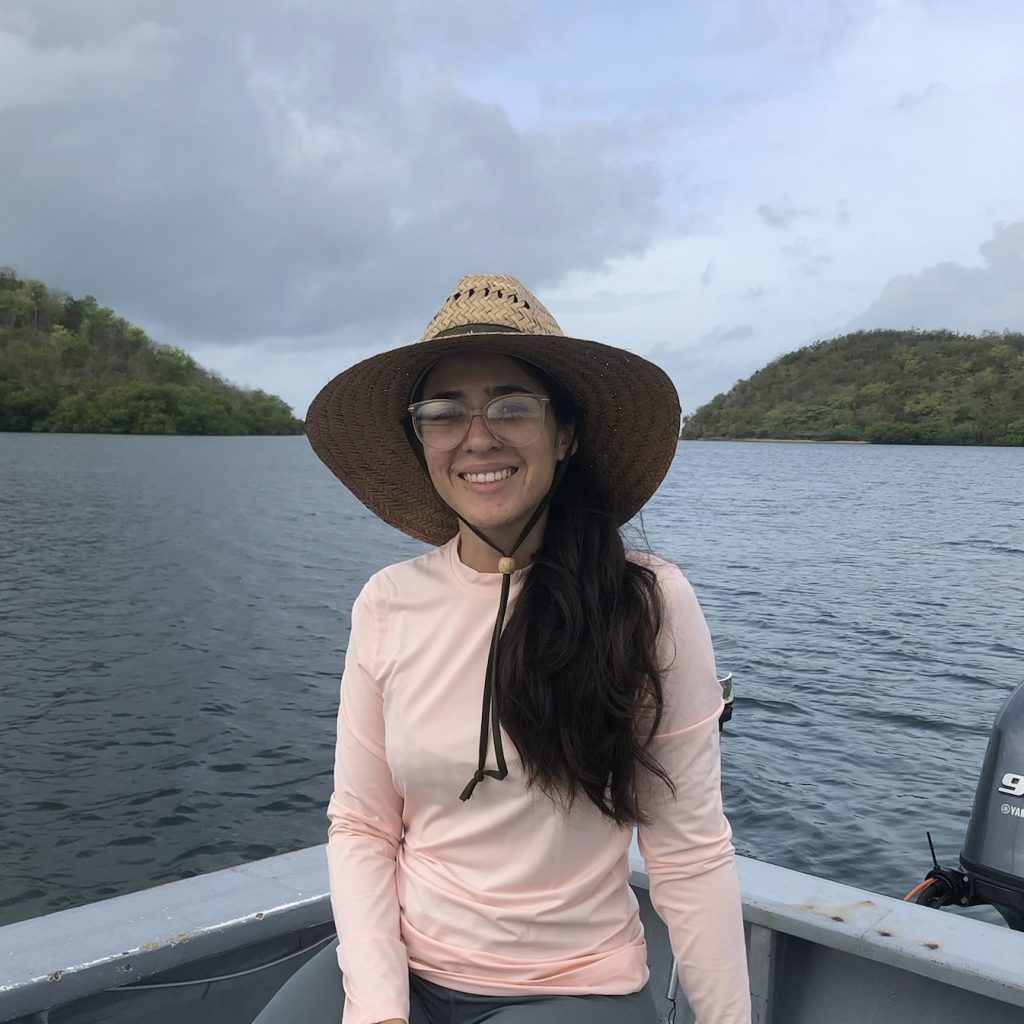
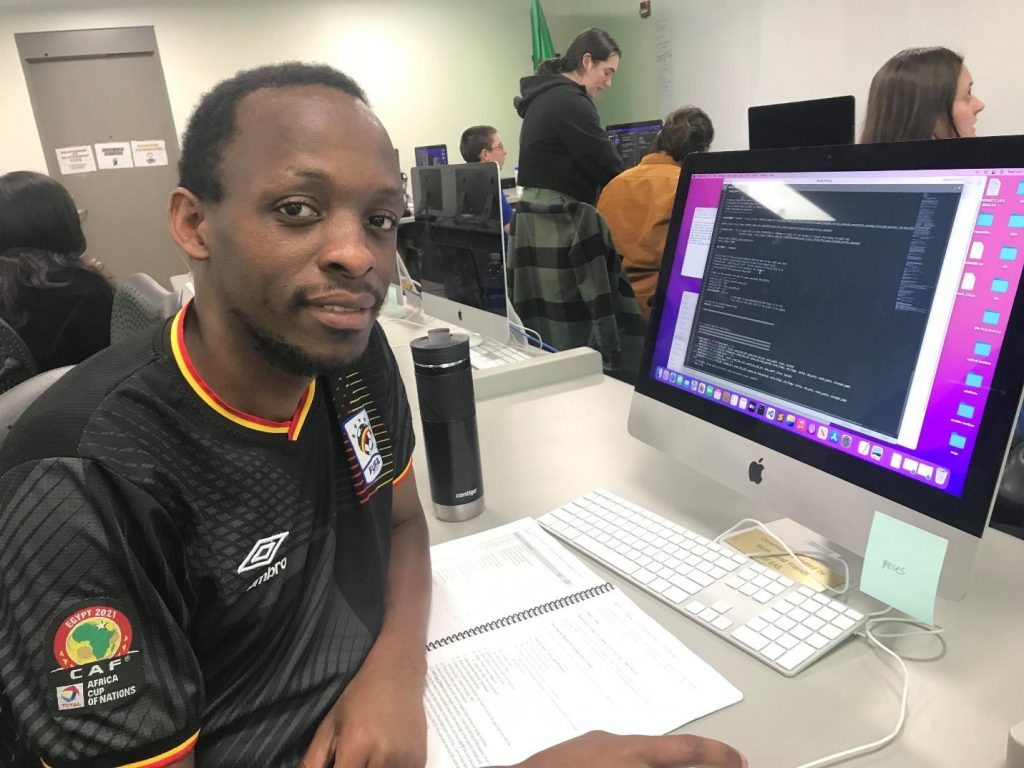
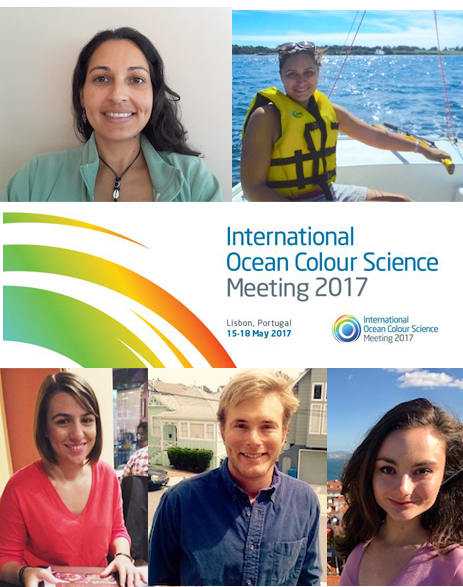
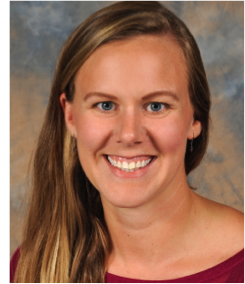
 Christiana Ade is a first-year PhD student at North Carolina State University in the Marine, Earth and Atmospheric Sciences Department. She researches wetlands and coastal environments using satellite remote sensing and field measurements. Her research includes water quality mapping, establishing new environmental indicators, and determining satellite resolution requirements for adequately monitoring wetlands.
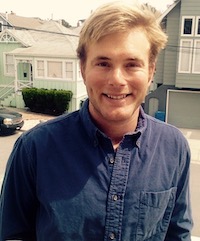 Henry Houskeeper
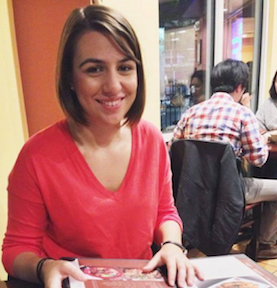
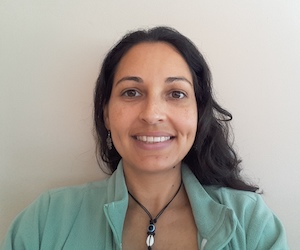 Suhey Ortiz Rosa is a PhD student conducting research with Dr. Roy Armstrong in Bio-Optical Oceanography at the Department of Marine Sciences at the University of Puerto Rico- Mayagüez (UPRM). In 2005, she completed a B.S. in Coastal Marine Biology at the University of Puerto Rico- Humacao, and in 2010, a MS in Chemical Oceanography at UPRM. Suhey’s work focuses on the biogeochemistry of coastal waters and coral reefs, validating algorithms from satellite imagery of complex optical waters, remote sensing, and GIS. Previously, she worked on CDOM characterization with PARAFAC, mapping marine species distribution with the GAP-Analysis Project of Puerto Rico and later with watershed analysis of sedimentation processes on coral reefs.
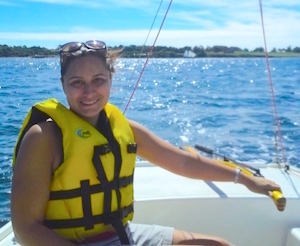 Sara Rivero-Calle is a postdoctoral researcher at the Levine Lab in the University of Southern California interested in projects that involve large datasets, combining remote sensing and in situ data to answer large-scale ecological questions. She first learned about satellite remote sensing during her MS program at the University of Puerto Rico working on mesophotic reef sponge ecology using Autonomous Underwater Vehicles. She earned a PhD from Johns Hopkins University, where she used the Continuous Plankton Recorder survey to study long-term changes in North Atlantic phytoplankton communities. Currently, Sara is conducting postdoctoral research on fine-scale variability and patchiness, combining remote sensing, float, and HPLC data with numerical models.
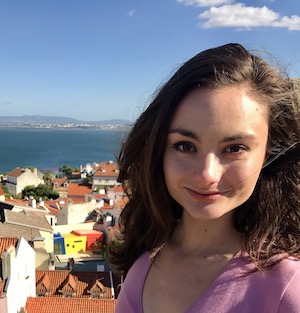 Sarah Schlunegger is a PhD Student in the Program of Atmospheric and Oceanic Sciences, advised by Prof. Jorge Sarmiento. Sarah uses Earth System Models to predict the timing, sequence and inter-dependence of emerging anthropogenic signals in the ocean, with a focus on the ocean’s acquisition of anthropogenic carbon and heat. The ocean provides a climate service by absorbing the atmosphere’s excess carbon and heat but at a cost, namely acidification and warming, which deteriorate marine habitats. Sarah’s primary research goal is to identify when and where changes in these heat/carbon sinks and their resulting impacts will be detectable in the ocean.